
Complete Digital Marketing Strategy for Small Businesses (2026 Guide)
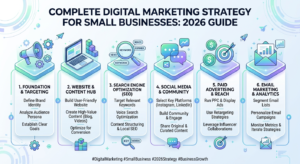
In today’s competitive digital landscape, having a strong online presence is no longer optional. Whether you own a local shop, startup, or service-based business, implementing the Complete Digital Marketing Strategy for Small Businesses (2026 Guide) can help you attract more customers, increase sales, and build long-term brand loyalty.
This guide covers the latest digital marketing trends, AI-powered tools, and proven strategies that every small business should use in 2026.
Why Small Businesses Need a Digital Marketing Strategy in 2026
Consumer behavior has changed dramatically over the past few years. Customers now research products online, read reviews, compare prices, and interact with brands on social media before making a purchase.
A well-planned digital marketing strategy helps businesses:
- Increase brand awareness
- Generate qualified leads
- Improve customer engagement
- Boost website traffic
- Increase online sales
- Build long-term customer relationships
Without a digital marketing strategy, businesses risk losing customers to competitors who have a stronger online presence.
1. Build a Professional Website
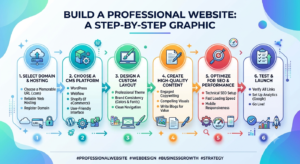
Your website is the foundation of your digital marketing efforts.
Make sure your website includes:
- Mobile-friendly design
- Fast loading speed
- Secure HTTPS connection
- Clear call-to-action buttons
- Contact information
- SEO-optimized pages
- Easy navigation
A professional website builds trust and converts visitors into paying customers.
2. Invest in Search Engine Optimization (SEO)
SEO remains one of the highest ROI marketing strategies in 2026.
Focus on:
- Keyword research
- High-quality content
- Technical SEO
- Local SEO
- Internal linking
- Image optimization
- Page speed improvement
- Voice search optimization
Target long-tail keywords related to your business to rank higher on search engines.
3. Create High-Quality Content
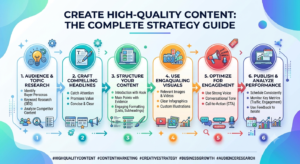
Content marketing continues to drive organic traffic and establish authority.
Create:
- Blog posts
- How-to guides
- Case studies
- Videos
- Infographics
- Industry news
- FAQs
- Customer success stories
Publishing valuable content regularly helps improve search rankings and customer trust.
4. Use Social Media Marketing
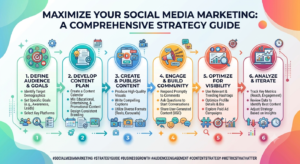
Customers expect brands to stay active on social media.
Choose platforms based on your audience:
- X
- YouTube
- TikTok
Post consistently with a mix of educational, promotional, and entertaining content to increase engagement.
5. Leverage AI Marketing Tools
Artificial Intelligence is transforming digital marketing in 2026.
AI tools can help with:
- Content creation
- Keyword research
- Email automation
- Customer support chatbots
- Social media scheduling
- Ad optimization
- Analytics
- Personalized marketing
Using AI saves time while improving marketing performance.
6. Build an Email Marketing Funnel
Email marketing remains one of the most cost-effective digital channels.
Grow your email list by offering:
- Free guides
- Discounts
- Checklists
- Webinars
- Free consultations
Send:
- Welcome emails
- Promotional campaigns
- Educational newsletters
- Product updates
- Customer appreciation emails
Personalized email campaigns generate higher open and conversion rates.
7. Invest in Local SEO
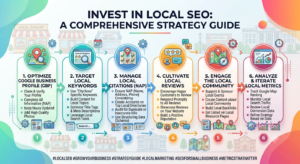
If you serve local customers, local SEO is essential.
Optimize your business by:
- Claiming your business profile
- Collecting customer reviews
- Adding location-based keywords
- Creating local landing pages
- Publishing local content
Local SEO helps nearby customers discover your business quickly.
8. Run Paid Advertising Campaigns
Organic marketing takes time, while paid advertising delivers faster results.
Popular advertising channels include:
- Google Search Ads
- Display Ads
- Facebook Ads
- Instagram Ads
- LinkedIn Ads
- YouTube Ads
Monitor your campaigns regularly to improve ROI and reduce wasted spending.
9. Monitor Analytics
Successful digital marketing depends on data.
Track important metrics such as:
- Website traffic
- Conversion rate
- Bounce rate
- Customer acquisition cost
- Return on ad spend
- Email open rate
- Social media engagement
Use these insights to refine your marketing strategy continuously.
10. Focus on Customer Experience
Great marketing doesn’t end after a sale.
Provide:
- Fast customer support
- Personalized communication
- Loyalty programs
- Easy returns
- Helpful educational content
Happy customers often become repeat buyers and recommend your business to others.
Digital Marketing Trends for 2026
Stay ahead of your competitors by embracing these emerging trends:
some agency of digital marketing = dizitaladda
- AI-powered content creation
- Voice search optimization
- Short-form video marketing
- Influencer collaborations
- Hyper-personalized marketing
- First-party data strategies
- Marketing automation
- Interactive content
- Visual search optimization
Businesses that adapt to these trends are more likely to achieve sustainable growth.
Common Mistakes Small Businesses Should Avoid
Avoid these common marketing mistakes:
- Ignoring SEO
- Posting inconsistently on social media
- Not tracking analytics
- Using outdated marketing tactics
- Neglecting mobile optimization
- Targeting the wrong audience
- Focusing only on sales instead of providing value
Learning from these mistakes can significantly improve your marketing results.
Final Thoughts
Following this Complete Digital Marketing Strategy for Small Businesses (2026 Guide) will help your business stay competitive in an increasingly digital world. By combining SEO, content marketing, social media, AI tools, email marketing, paid advertising, and analytics, you can build a strong online presence and generate consistent business growth.
Digital marketing is not a one-time effort—it requires continuous optimization, testing, and adaptation. Start implementing these strategies today, measure your performance regularly, and refine your approach to achieve long-term success in 2026 and beyond.